Big Ship, Small Ship
Locks and bridges keep river ships small. Here is how that changes your cruise.
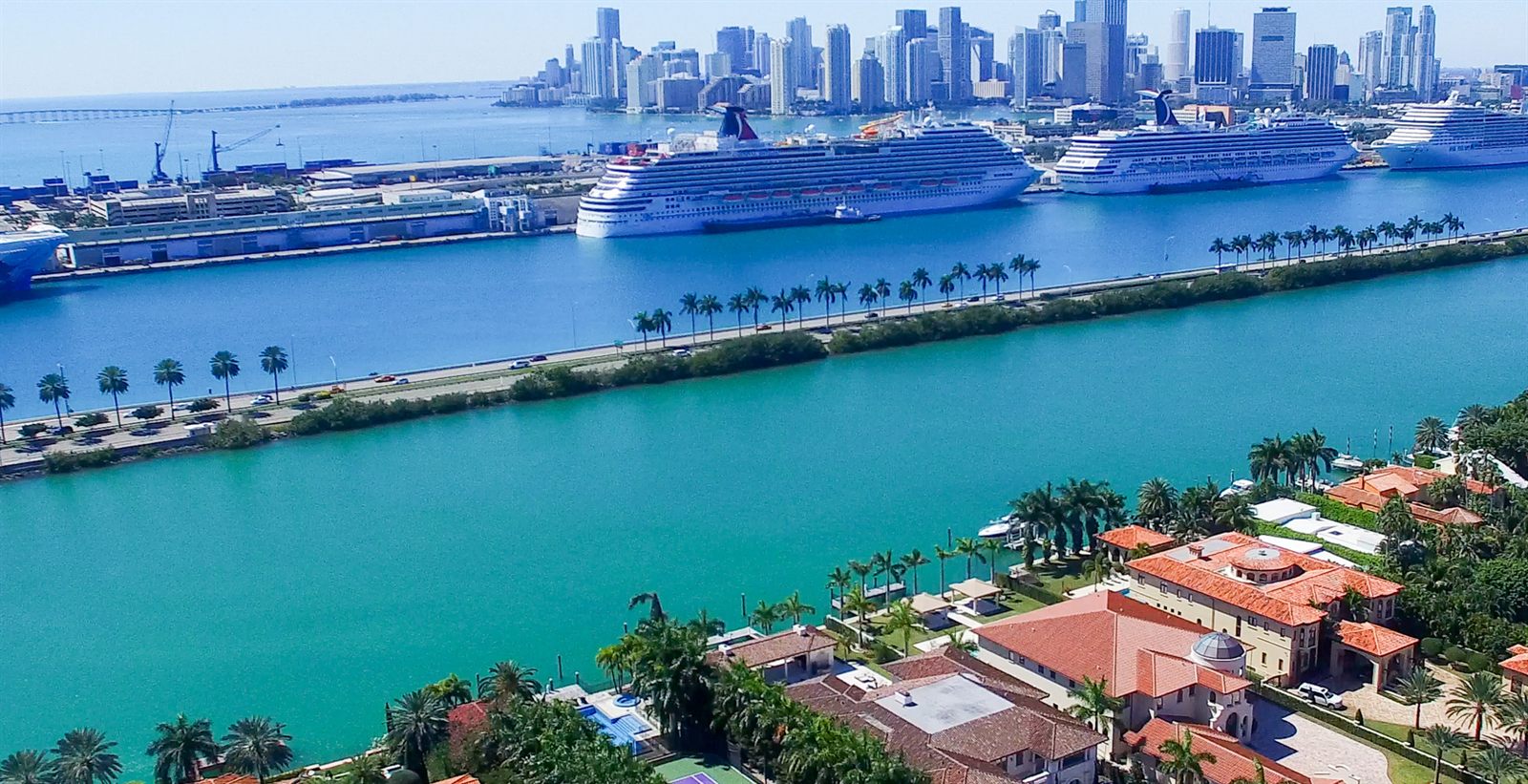
Get Free River Cruise QuotesThe biggest ocean ships carry more than 5,000 guests. A typical European river ship carries somewhere around 100 to 200. That single difference explains almost everything else about river cruising — good and bad.
What Limits a River Ship
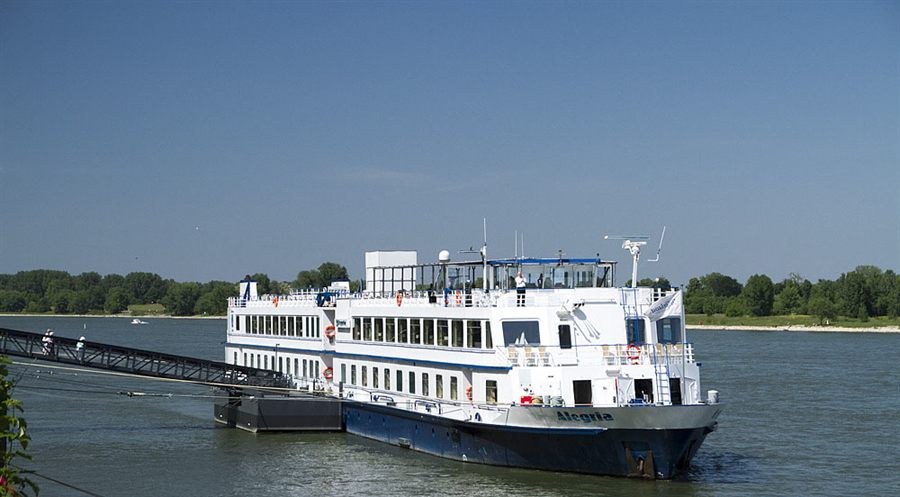
- Locks. Rivers such as the Rhine, Main and Danube are linked by locks, and ships must fit inside them. That fixes the maximum length and width.
- Bridges. Old stone bridges limit height. Many ships have a wheelhouse that lowers and railings and canopies that fold down.
- Depth. Rivers are shallow compared with the sea, so river ships have flat bottoms and a shallow draft.
- Moorings. The ship has to fit alongside a town quay, sometimes next to other ships.
What That Means Onboard
Ocean cruisers notice the differences on the first evening:
- One main restaurant, usually with open seating, and often a small casual or alternative venue.
- One lounge and bar, which doubles as the place for talks and port briefings.
- A sun deck with loungers, a walking track and sometimes a small pool or putting green — not a water park.
- A small fitness room and, on some ships, a massage room or modest spa.
- No casino, no theater, no kids’ club on most ships.
- Usually an elevator, but not always to every deck. Check if stairs are a concern.
Cabins: Smaller, but With a View
Cabins on river ships are compact, because every cabin has to fit across a narrow hull. Almost every cabin is outside-facing. The usual categories, from the lowest deck up:
| Cabin type | What it means on a river | Ocean-cruise equivalent |
|---|---|---|
| Window or “fixed window” cabin | Lowest deck, near the waterline; a high window that does not open | Closest to an ocean-view cabin |
| French balcony | Sliding glass door with a rail; lets in air and the view | Between an ocean-view and a balcony |
| True balcony | A small step-out balcony, offered on some ships | Balcony cabin, but smaller |
| Suite | Larger room, sometimes with a full balcony and extra perks | Suite, on a smaller scale |
Inside cabins with no window, common on ocean ships, are rare on European river ships.
The Upside of Small
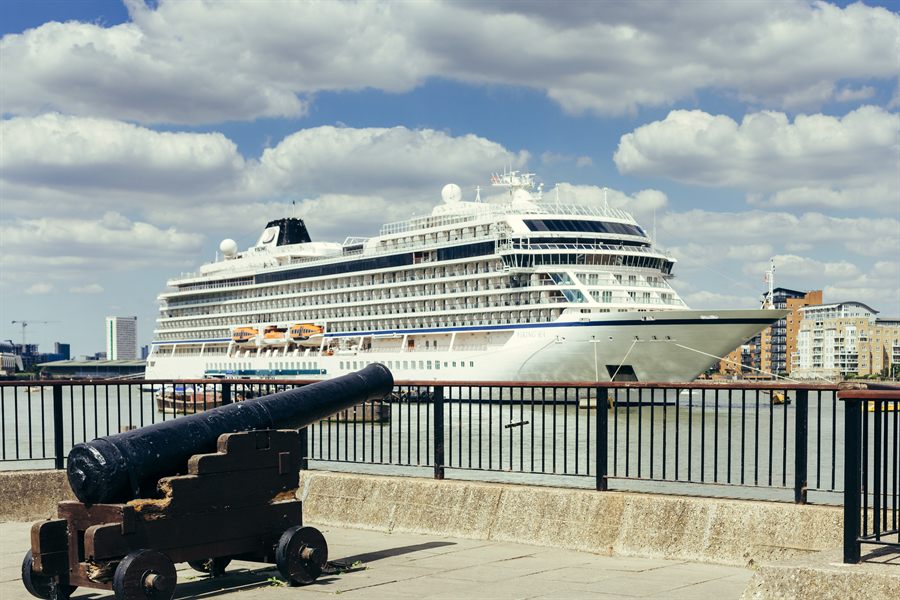
A small ship means fewer people getting on and off, quick embarkation, and a crew that learns your preferences. Shore tours go out in small groups with personal audio headsets. And because the ship is low, you see the river at eye level — the vineyards, villages and castles are right there, not far below you.
The downside: if you dislike someone at dinner, you will see them again tomorrow.
Frequently Asked Questions
Why can’t river ships be bigger?
Locks and bridges. On the main European routes, ships are built to fit the locks, which limits them to roughly 135 meters (about 443 feet) long and around 11.4 meters wide. Height is limited by old stone bridges.
Is there a doctor onboard?
Usually not in the way ocean cruisers expect. Large ocean ships carry a medical center with a doctor and nurses. River ships are rarely far from a town, so crew are trained in first aid and call local doctors or emergency services when needed. If you have a medical condition, tell your advisor before you book.
Will I feel cramped?
Cabins are smaller than on most new ocean ships, and there are fewer public rooms. But with only around 100 to 200 guests, the lounge and sun deck rarely feel crowded.
Want the Small-Ship Feel?
Tell us the size of ship you are used to and what you would like on a river. Our cruise advisors at Mister Cruise will match ships and cabins and send free quotes.
Compare River Ships